
Starting Invisalign treatment often comes with a mix of excitement and questions. Understanding how the process works, what to expect, and whether it is the right fit for your needs can significantly impact your confidence moving forward. At Whiting Dental Studio, patient education is a key part of the Invisalign experience.
Rather than offering quick answers, the goal is to provide thoughtful guidance that helps you fully understand your options and feel comfortable at every stage of treatment.
Common Orthodontic Issues Invisalign® Can Treat
One of the most common questions patients have is whether Invisalign can address their specific concern. The answer depends on the type and severity of the issue, but clear aligners are capable of treating a wide range of orthodontic conditions.
Invisalign is often used to correct:
- Crowding that causes teeth to overlap or shift out of alignment.
- Spacing issues where gaps affect both appearance and function.
- Minor to moderate bite concerns, including overbites and crossbites.
- Teeth that have moved following previous orthodontic treatment.
What makes Invisalign effective is the level of planning behind it. Each aligner is designed to guide teeth through controlled, incremental movements. For patients in Whiting, IN, this means that even subtle adjustments are approached with precision, ensuring that the final result feels balanced and natural.
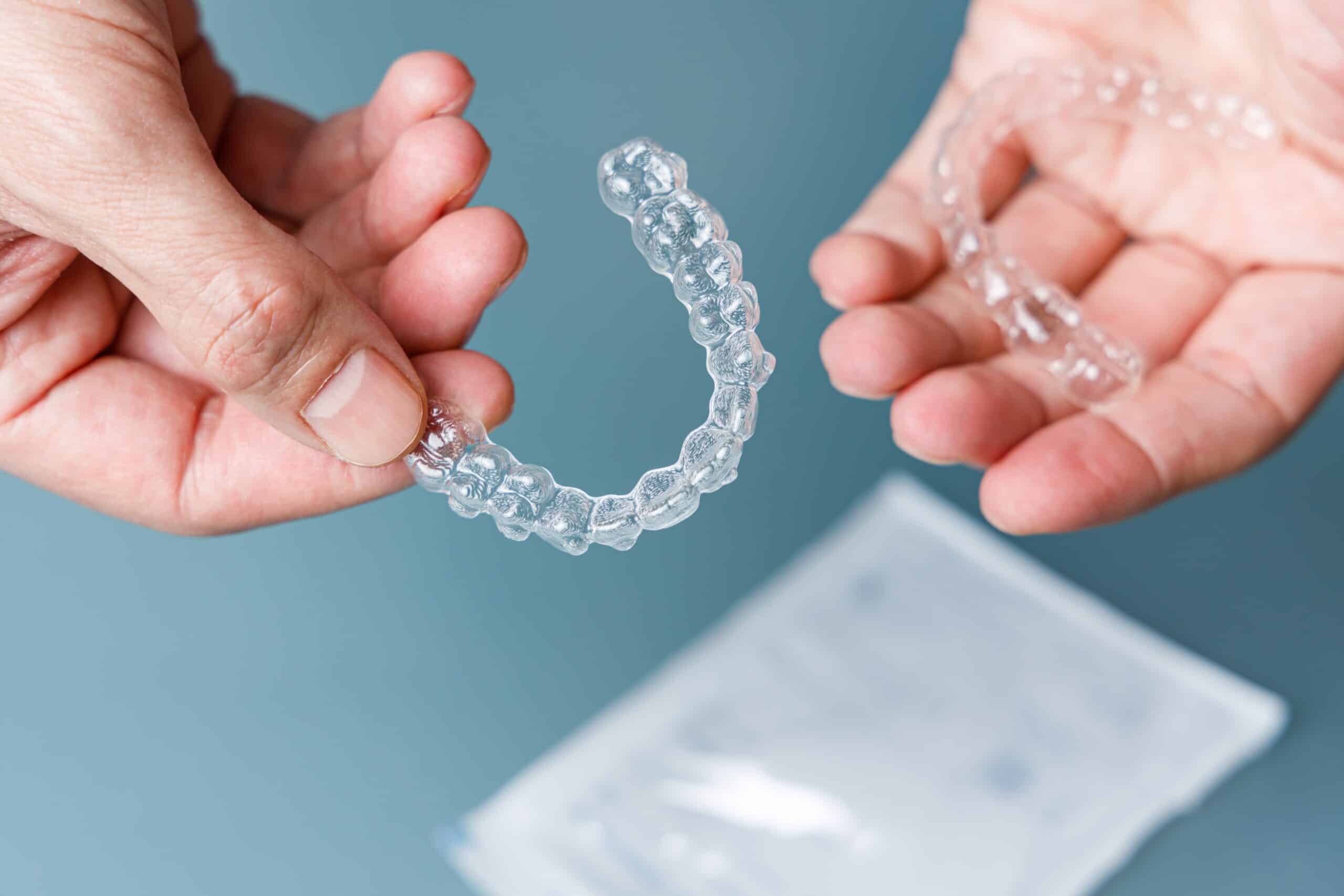
Invisalign® For Teens Vs. Adults
Another frequent question is whether Invisalign is suitable for different age groups. The reality is that Invisalign can be adapted for both teens and adults, but the experience may vary slightly depending on lifestyle and treatment goals.
Teens often benefit from the flexibility of aligners, especially when participating in sports or social activities. Some aligner systems include features that help monitor wear time, encouraging consistency throughout treatment.
Adults are typically drawn to Invisalign for its discreet appearance and convenience. The ability to remove aligners for meals, meetings, or special occasions allows treatment to fit seamlessly into a busy schedule.
Regardless of age, success with Invisalign depends on commitment. Wearing aligners consistently is essential, making patient responsibility a key factor in determining whether this option is the right choice.

Mild Vs. Moderate Misalignment Cases
Patients frequently ask whether their case is “too minor” or “too complex” for Invisalign. Understanding where your alignment falls on that spectrum helps clarify what to expect from treatment. Mild misalignment cases—such as slight crowding or small gaps—are typically ideal for Invisalign. These cases often require fewer aligners and shorter treatment timelines.
Moderate cases can also be treated successfully, but they may involve more detailed planning and additional refinement stages. In these situations, your dentist carefully monitors progress to ensure that each phase of movement stays on track.
Key differences between these case types include:
- Mild cases often involve quicker adjustments with fewer aligner changes.
- Moderate cases may require extended treatment and closer follow-up.
At Whiting Dental Studio, the focus is on achieving a result that is both aesthetically pleasing and functionally sound, regardless of the complexity of your case.
When Braces Are A Better Fit
While Invisalign is highly versatile, there are times when traditional braces may provide a more predictable outcome. Patients often ask when this alternative becomes the better option.
Braces are typically recommended for more complex orthodontic issues, such as severe crowding, significant bite misalignment, or teeth that require more controlled and continuous movement. Because they are fixed in place, braces eliminate the need for patient compliance and allow for precise adjustments throughout treatment.
Choosing braces is not a step backward—it is a strategic decision based on what will deliver the best long-term results. At Whiting Dental Studio, recommendations are always made with your outcome in mind, ensuring that you receive the treatment best suited to your needs.
Custom Treatment Planning Based On Your Needs
A common misconception is that Invisalign follows a standard process for every patient. In reality, each treatment plan is fully customized based on your unique dental structure and goals.
During your consultation, your dentist evaluates:
- The current alignment of your teeth and how they need to shift over time.
- The health of your gums and supporting bone structure.
- Your ability to maintain consistent aligner wear.
- Your expectations for both appearance and function.
This information is used to create a personalized plan that guides every stage of your treatment. Patients in Whiting, IN often find that this tailored approach provides clarity and confidence, allowing them to move forward with a clear understanding of their journey.

Why Choose Whiting Dental Studio For Invisalign® Care?
Choosing the right provider for your Invisalign treatment is just as important as choosing the treatment itself. At Whiting Dental Studio, every aspect of your care is designed to feel thoughtful, precise, and aligned with your goals.
From your initial consultation through your final results, the team focuses on clear communication, careful planning, and ongoing support. Rather than offering generalized answers, they take the time to address your specific questions and guide you through each phase of treatment with confidence.
If you are considering Invisalign and want answers that feel personalized and transparent, Whiting Dental Studio offers the expertise and attention to detail needed to help you make an informed decision—and achieve a smile that feels truly your own.