
If you have been thinking about straightening your teeth but are unsure whether Invisalign is the right option, you are not alone. Many patients are drawn to the convenience and discreet appearance of clear aligners, but eligibility depends on more than just preference. At Whiting Dental Studio, determining whether you qualify for Invisalign is a thoughtful process that considers your unique dental structure, alignment concerns, and long-term goals.
Rather than giving a quick yes or no, the focus is on understanding what will truly deliver the best outcome for your smile.
Common Orthodontic Issues Invisalign® Can Treat
Invisalign is designed to address a wide range of alignment concerns, particularly those that fall within mild to moderate complexity. With careful planning and consistent wear, it can correct many of the same issues traditionally treated with braces.
Some of the most common concerns that Invisalign can improve include:
- Crowded teeth that overlap or compete for space within the dental arch.
- Gaps or spacing issues that affect both appearance and function.
- Minor bite concerns, such as slight overbites, underbites, or crossbites.
- Teeth that have shifted over time, including after previous orthodontic treatment.
What makes Invisalign effective is not just the aligners themselves, but the precision of the treatment plan behind them. For patients in Whiting, IN, this means having a clear understanding of how each stage of movement contributes to a balanced and stable final result.
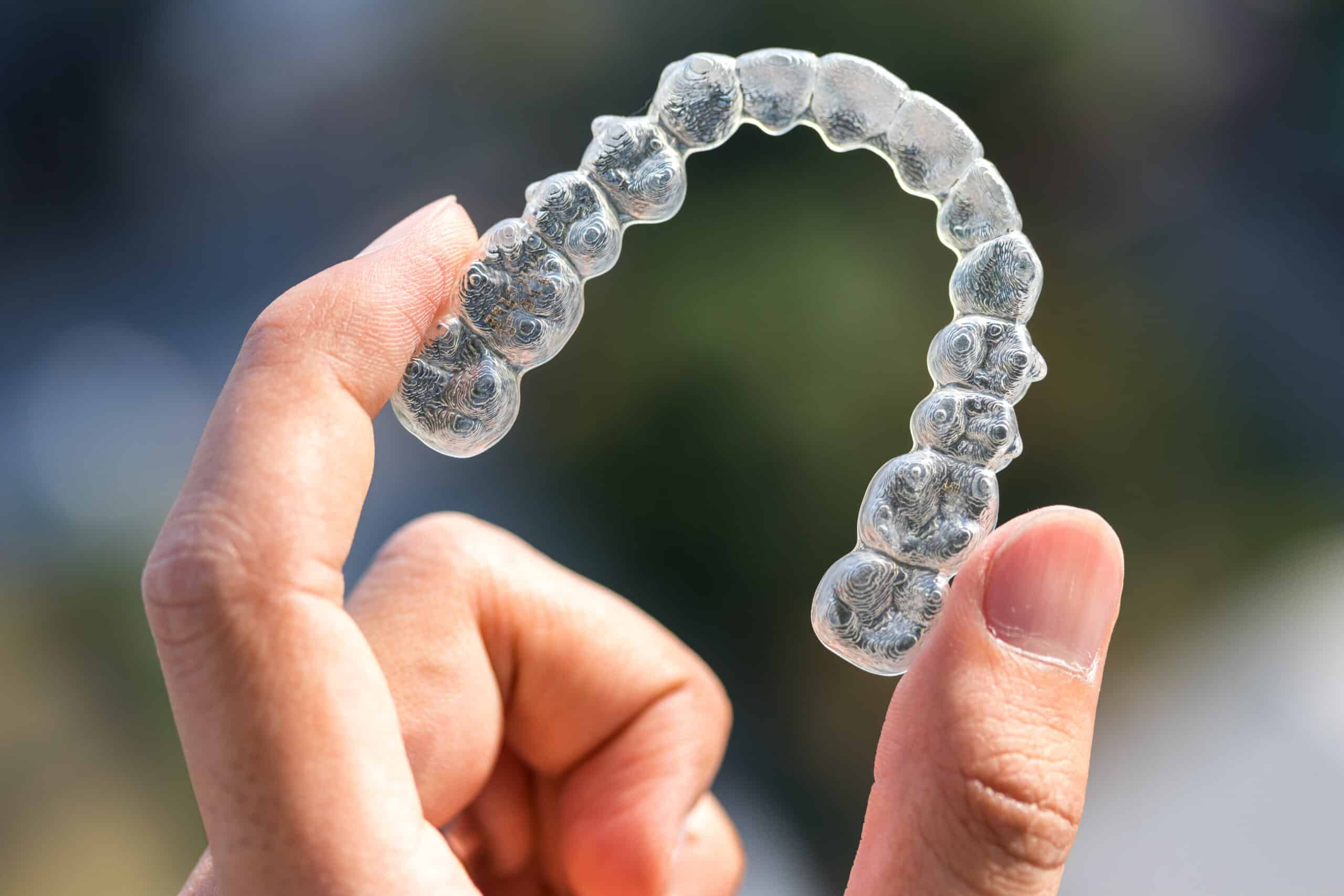
Invisalign® For Teens Vs. Adults
Invisalign is a versatile treatment option that can be adapted for both teens and adults, but the approach often differs depending on age and lifestyle. For teens, Invisalign can be a great alternative to traditional braces, especially for those who are active in sports or social activities. Teen-specific aligners often include features that help track wear time, encouraging consistency and accountability throughout treatment.
Adults, on the other hand, often choose Invisalign for its discreet appearance and flexibility. Many appreciate the ability to remove aligners for meetings, events, or meals, allowing treatment to fit seamlessly into their daily routines.
While both groups can benefit from Invisalign, success depends on commitment. Because the aligners are removable, patients must be consistent with wear to achieve the desired results. This shared responsibility is a key factor in determining whether Invisalign is the right fit.

Mild Vs. Moderate Misalignment Cases
The degree of misalignment plays a significant role in Invisalign eligibility. Mild cases, such as slight crowding or small gaps, are often well-suited for aligner treatment and can be completed efficiently with predictable outcomes.
Moderate cases may also be treated with Invisalign, but they require more detailed planning and careful monitoring. In these situations, additional aligners or refinements may be needed to achieve the desired level of precision.
Understanding the difference between these case types helps set realistic expectations:
- Mild cases typically involve minor adjustments and shorter treatment timelines.
- Moderate cases may require extended treatment and closer follow-up to ensure proper alignment.
At Whiting Dental Studio, your dentist evaluates not just the visible alignment of your teeth, but also how they function together. This ensures that your treatment plan supports both aesthetics and long-term oral health.
When Braces Are A Better Fit
While Invisalign is highly effective for many patients, there are situations where traditional braces may provide a more reliable solution. This is particularly true for complex cases that involve significant bite issues, severe crowding, or teeth that require more controlled movement.
Braces offer continuous force and allow for precise adjustments that can be difficult to achieve with removable aligners alone. Because they are fixed in place, they also eliminate concerns about compliance, ensuring that treatment progresses as planned.
Choosing braces over Invisalign is not a limitation—it is a strategic decision aimed at achieving the best possible result. At Whiting Dental Studio, recommendations are always made with your outcome in mind, not based on convenience or preference alone.
Custom Treatment Planning Based On Your Needs
No two smiles are exactly alike, and your orthodontic treatment should reflect that. Determining whether you qualify for Invisalign is not just about meeting certain criteria—it is about designing a plan that aligns with your goals, your lifestyle, and your long-term expectations.
During your evaluation, your dentist considers multiple factors:
- The current position of your teeth and how they need to move over time.
- The health of your gums and supporting structures.
- Your ability to commit to wearing aligners as recommended.
- The level of precision required to achieve your desired results.
This comprehensive approach ensures that your treatment is both realistic and effective. Patients in Whiting, IN often find that this level of personalization gives them confidence in their decision, whether they move forward with Invisalign or explore alternative options.

Why Choose Whiting Dental Studio For Invisalign® Evaluation?
Choosing where to begin your orthodontic journey matters just as much as choosing the treatment itself. At Whiting Dental Studio, every Invisalign evaluation is approached with care, transparency, and attention to detail.
Rather than offering a quick assessment, the team takes the time to understand your concerns, explain your options clearly, and guide you toward the solution that best fits your needs. This ensures that your treatment is not only effective but also aligned with your expectations from the very beginning.
If you are wondering whether Invisalign is right for you, Whiting Dental Studio provides the expertise and personalized guidance needed to help you make an informed decision—so you can move forward with confidence, knowing your smile is in thoughtful and capable hands.