
Choosing between Invisalign and traditional braces is not just about straightening your teeth—it is about finding the approach that fits your lifestyle, comfort preferences, and long-term goals. At Whiting Dental Studio, this decision is guided by a detailed understanding of your needs rather than a default recommendation.
Both options are highly effective, but they function differently and offer distinct advantages depending on your priorities. By exploring how each system works in real-world scenarios, you can make a confident, informed choice about your orthodontic treatment.
Comparing Comfort & Appearance
Comfort and appearance are often the first considerations when comparing Invisalign and fixed braces. While both systems are designed to move teeth gradually, the experience of wearing them can feel very different.
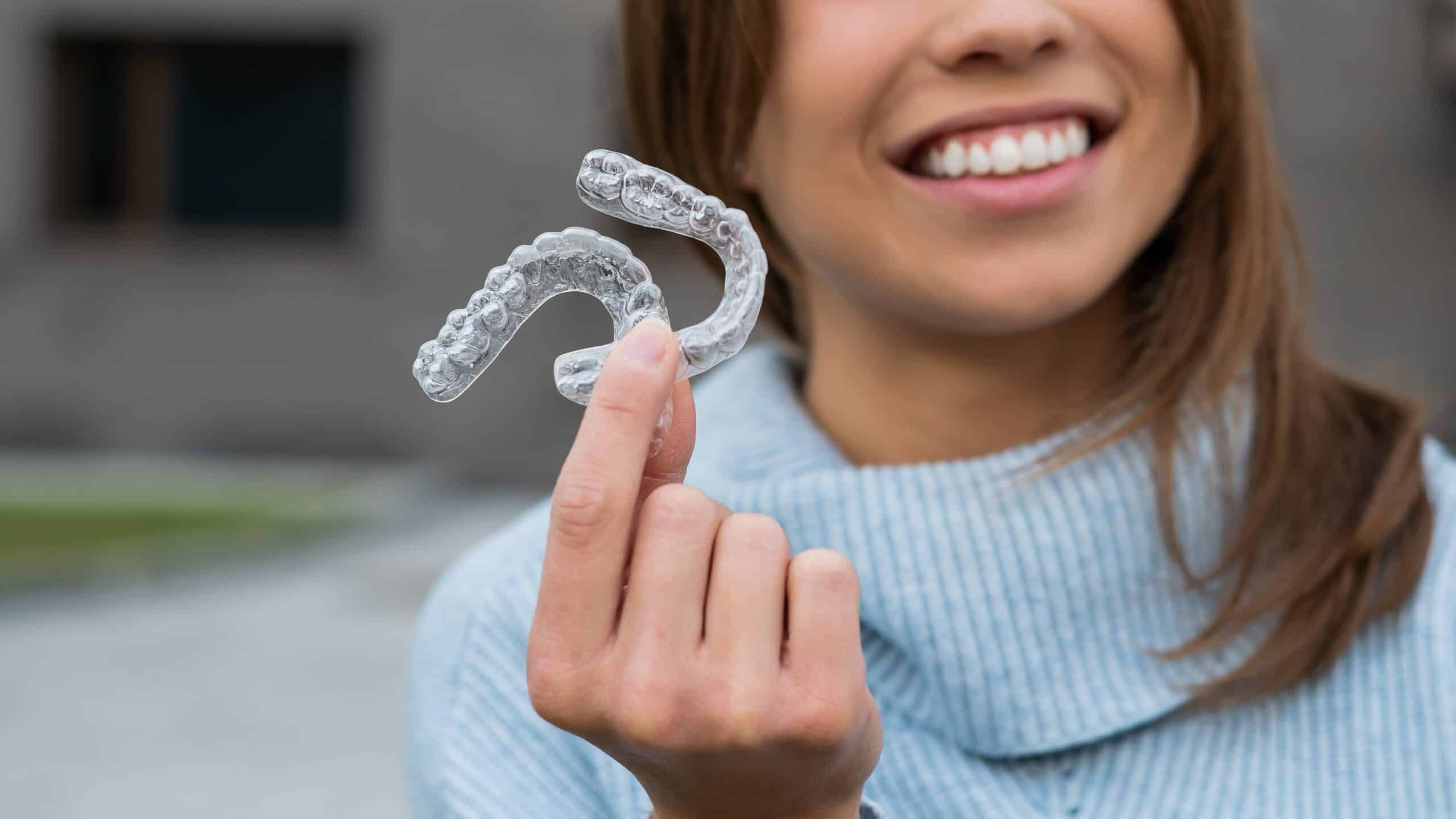
Invisalign uses smooth, custom-fitted aligners that sit comfortably over your teeth without brackets or wires. This design reduces the likelihood of irritation to the cheeks and gums, making it a more comfortable option for many patients. The clear material also makes aligners virtually invisible, allowing you to straighten your teeth without drawing attention to the process.
Traditional braces, by contrast, use brackets and wires that are attached to the teeth and adjusted periodically. While modern braces are more streamlined than in the past, they can still cause occasional discomfort, especially after adjustments. Patients in Whiting, IN often find that Invisalign offers a more discreet and comfortable experience, while braces provide a reliable, fixed solution that does not rely on daily removal and reinsertion.
Treatment Time Differences Between Aligners & Braces
Treatment time varies depending on the complexity of your case, but the way each system approaches tooth movement can influence how long the process takes.
Invisalign treatment is typically structured around a series of aligners that are changed every one to two weeks. Because the treatment is digitally planned from the beginning, each stage is mapped out with precision. For mild to moderate cases, this can lead to efficient timelines when aligners are worn consistently.
Braces, on the other hand, rely on periodic adjustments to guide tooth movement. While this method is highly effective, it can sometimes extend treatment time due to the need for manual modifications throughout the process.
It is important to note that compliance plays a significant role in Invisalign. Wearing aligners for the recommended amount of time each day is essential to staying on schedule. Braces remove this variable since they remain in place at all times.
At Whiting Dental Studio, treatment timelines are carefully explained so you understand what to expect and how your choice may impact the duration of your care.

Oral Hygiene With Braces Vs. Invisalign®
Maintaining oral hygiene during orthodontic treatment is critical, and the differences between Invisalign and braces can significantly affect your daily routine. With Invisalign, aligners are removed for brushing and flossing, allowing you to maintain your normal oral hygiene habits without additional tools or techniques. This makes it easier to clean between teeth and along the gumline, reducing the risk of plaque buildup.
Braces require more attention to detail. Brushing around brackets and wires can be time-consuming, and flossing often requires special tools to navigate between teeth. While effective cleaning is absolutely achievable, it does require more effort and consistency.
Key considerations include:
- Invisalign allows for easier brushing and flossing since aligners are removable.
- Braces require additional techniques to clean around brackets and wires effectively.
- Both options benefit from regular dental visits to monitor oral health throughout treatment.
Patients in Whiting, IN, who prioritize convenience in their daily routine often lean toward Invisalign, while those comfortable with a more structured hygiene routine may feel equally confident choosing braces.
Which Option Works Better For Complex Cases?
While Invisalign has advanced significantly in recent years, there are still situations where traditional braces may be the more appropriate choice.
Braces are particularly effective for complex orthodontic cases, including severe crowding, significant bite misalignment, or teeth that require more controlled movement. Because they are fixed in place, braces allow for continuous force and precise adjustments that can address more challenging conditions.
Invisalign is highly effective for many mild to moderate cases and can also address certain complex issues when carefully planned. However, it relies on patient compliance and may require additional aligners or refinements to achieve optimal results in more advanced cases.
At Whiting Dental Studio, the focus is not on promoting one option over the other, but on recommending the approach that will deliver the most predictable and stable outcome for your specific situation.
Lifestyle Flexibility With Invisalign®
One of the most appealing aspects of Invisalign is its flexibility in everyday life. Because aligners are removable, you can continue enjoying your favorite foods without restrictions and maintain your normal routines with minimal disruption.
This flexibility extends to social and professional settings as well. Whether you are attending an event, giving a presentation, or simply going about your day, Invisalign allows you to feel more at ease without the visibility of traditional braces.
However, this flexibility also comes with responsibility. Aligners must be worn consistently to be effective, which means developing a routine and staying committed to your treatment plan.
Patients often appreciate the balance Invisalign provides:
- The ability to remove aligners for meals and special occasions.
- Greater confidence in social and professional interactions.
- A treatment experience that integrates seamlessly into daily life.
For many patients, this adaptability makes Invisalign an appealing option that aligns with both their aesthetic and lifestyle preferences.

Why Choose Whiting Dental Studio For Orthodontic Treatment?
Selecting the right orthodontic solution is about more than comparing features—it is about working with a team that understands how to tailor treatment to your individual needs. At Whiting Dental Studio, every recommendation is based on careful evaluation, clear communication, and a commitment to long-term success.
Rather than offering a one-size-fits-all approach, the team takes the time to explain your options, outline realistic expectations, and guide you toward the treatment that best fits your goals and lifestyle. Whether you choose Invisalign or traditional braces, your care is designed to deliver results that are both functional and aesthetically balanced.
If you are considering orthodontic treatment, Whiting Dental Studio provides the expertise and personalized attention needed to help you move forward with confidence—knowing your smile is in capable and thoughtful hands.